
Practical pet insurance decisions

How to get insurance for your cat

Prepare one accurate cat profile, compare the offered terms and check the policy after enrollment.

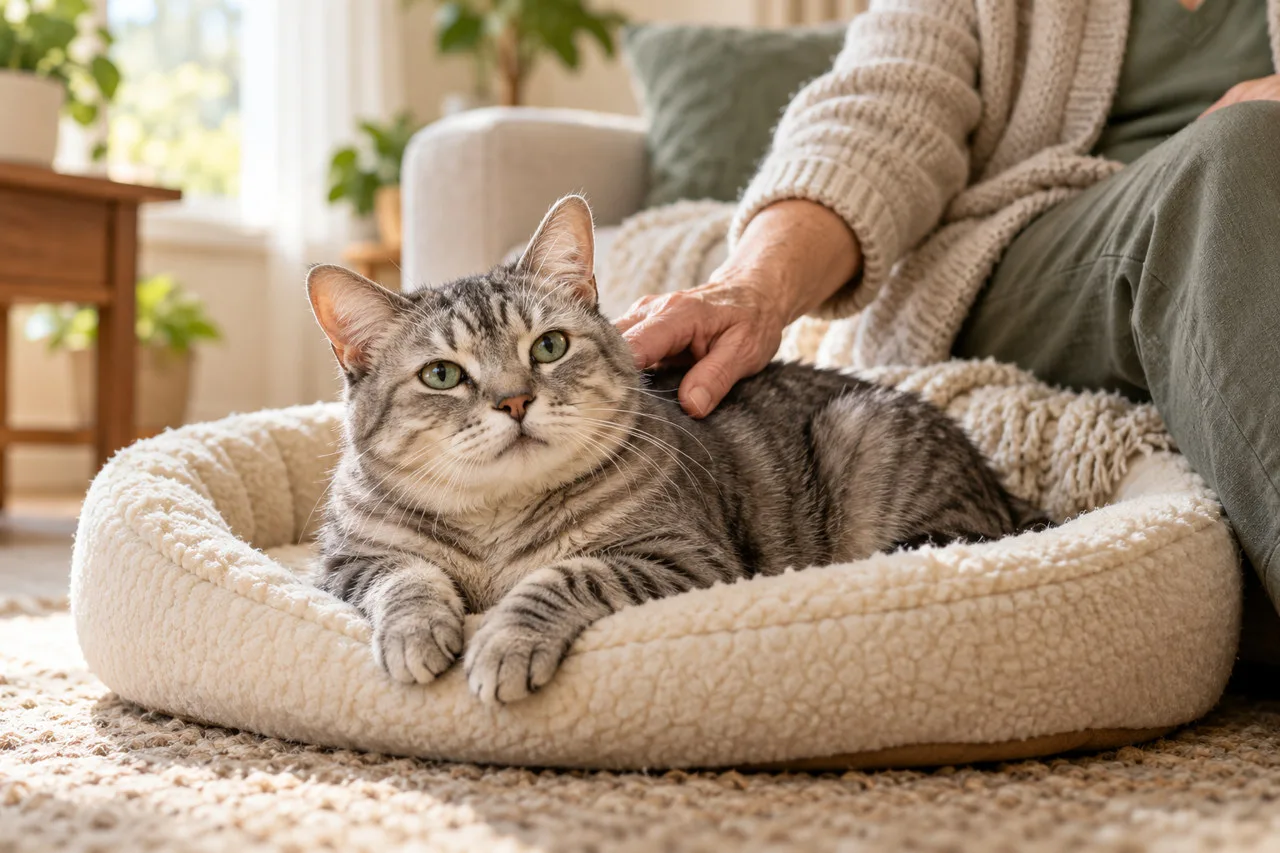
Tabby cat resting in a low bed beside an owner
✓ Policy-first ✓ Independent ✓ Useful checks
Direct answer
To get pet insurance for your cat, gather its identification and veterinary history, obtain quotes using the same home address and benefit choices, then review the policy before enrolling. Confirm when each selected benefit starts and how earlier signs are treated. After purchase, check the issued documents and keep a separate plan for bills that are excluded or must be paid before reimbursement.
Pet profile

Create a cat file that follows the animal

Use the name, sex, breed description and birth date or best documented age estimate consistently. If adoption papers and clinic records use different names, ask how to connect those records rather than omitting one set. Keep the adoption date separate from the estimated birth date.

List every practice that has treated the cat, including shelter or rescue care and emergency visits. Gather diagnoses, medicines, test results and earlier symptoms. An indoor lifestyle or a quiet period without veterinary visits does not prove there is no relevant history. Do not infer eligibility from the cat’s appearance.

If records are incomplete, tell the insurer what is available and ask what it needs. Do not invent missing dates or assume an online quote means the records are already approved.

Decision guide

Choose what you want to buy before entering payment details

Choice What to decide for this cat Document to read
Medical scope Accident-only or accident-and-illness, depending on the protection sought. Covered conditions and exclusions.
Owner share Deductible basis, reimbursement method and limit you can live with. Benefits/declarations and payment examples.
Optional care Whether examination, dental or routine benefits are useful. Each selected endorsement or allowance schedule.
Existing concerns How known symptoms, diagnoses or ongoing treatment are treated. Pre-existing and related-condition wording.

Price each cat separately if you are enrolling more than one. Use the same address and accurate profile for all quotes, but do not transfer one cat’s medical answers to another. A verified multi-pet discount does not make the coverage identical.

Compare

Complete the application without losing your comparison settings

Owner using a laptop beside an orange-and-white cat
Use this cat’s details and records throughout the application.
  • Keep the chosen quote beside the application and verify the deductible, reimbursement level, annual limit and extras.
  • Answer history questions accurately; ask for clarification if a question does not fit the records you have.
  • Read the effective date and each applicable waiting provision before submitting payment.
  • Check the policyholder and contact details, payment schedule and any cancellation or refund conditions.
  • Save the quote, disclosures and confirmation so you can compare them with the issued documents.

That convenience does not replace reading the state-specific terms or establish coverage for a known problem. No insurer is applying or enrolling a pet through this guide.

What to know

Check the issued policy, not only the confirmation email

Look for the correct cat, address, coverage selections and dates. If a requested dental or examination-fee option is missing, raise that discrepancy promptly; do not assume a receipt for payment includes every option discussed. Ask what a correction would change and retain the answer.

Record the policy start and the end of relevant waits separately. A policy can be active while a particular benefit is still restricted. Keep veterinary care on the schedule recommended for the cat; moving an appointment beyond a waiting period does not change when an illness first appeared.

If you are replacing existing insurance, compare medical-history and timing consequences before cancelling the old policy. A continuing condition may be assessed differently by a new insurer. A cheaper new quote does not by itself preserve the earlier protection.

Claims

Prepare for a claim before you need one

Ask your practice how to obtain a finalized itemized invoice, proof of payment and medical notes. Learn where the insurer accepts claims and how it requests additional information. Keep the policy number with the cat’s records so a caregiver can find the correct documents.

A reimbursement policy may require you to pay the practice first. Keep that initial payment need separate from the eventual deductible and other retained costs. If the cat becomes unwell, contact a veterinarian promptly rather than waiting for an insurance answer.

For the first claim, check the submission deadline in the actual policy and preserve the receipt of submission. A filed claim is not yet an approved payment. Read the explanation when it arrives so you understand any excluded item or deductible credit.

Evidence

Sources and policy context

These public references support the consumer or veterinary context. Named insurer details were checked in official product materials; the policy offered for your pet and state determines the actual terms.

Next step

Compare Current Pet Insurance Rates

Check current options for your pet and location, then compare the policy details, exclusions, costs, and eligibility before choosing.

Compare the policy before you choose Check the actual offer, exclusions and out-of-pocket terms.
See Rate Options